
Wool and nylon look identical. They need opposite treatment.
The wrong chemistry on a wool carpet does damage that cannot be undone — and plenty of the carpet in Dingley Village is wool.
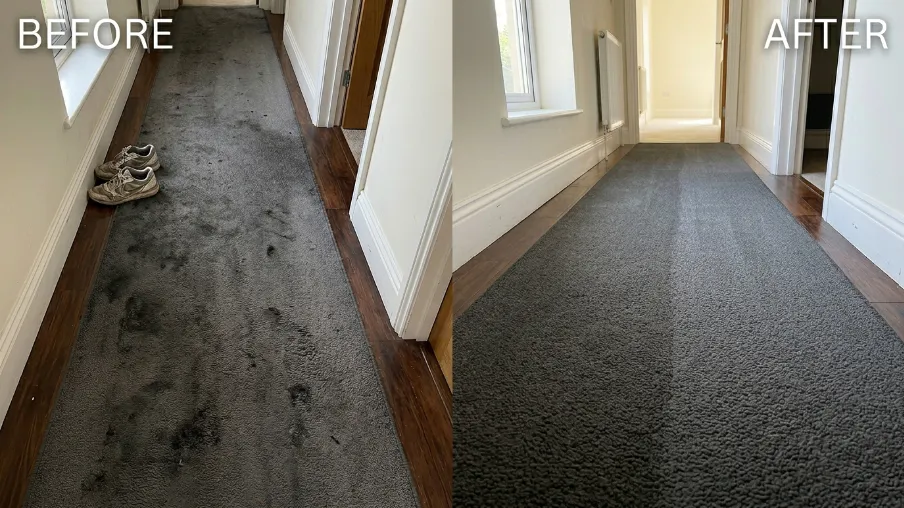
South Clean cleans carpets, upholstery, rugs, mattresses and curtains across Dingley Village, Braeside, Heatherton and Springvale South — settled homes, many of them carpeted in good-quality wool that is worth treating properly.
Book your Dingley Village clean
Tell us the rooms — and if you know whether the carpet is wool, mention it.
Why the fibre decides the method
A wool carpet and a nylon one can feel almost the same underfoot and look the same in a room. Chemically they could hardly be less alike, and that difference decides what can safely be put on them.
Wool is a protein fibre — the same family as hair and skin. That has two consequences. It is vulnerable to alkalinity: a strongly alkaline cleaning solution, which is exactly what shifts oily soil quickly on synthetics, attacks the protein structure itself. The fibre goes harsh and dry to the touch, loses its resilience, and can yellow. None of that reverses. It is also vulnerable to heat and agitation together, which is felting — the same process that shrinks a jumper in a hot wash, and equally permanent.
Nylon and polypropylene are synthetic and essentially inert. They tolerate higher alkalinity and hotter water without complaint, which is why a fast, aggressive approach works fine on them and why so many operators simply use one method everywhere.
The problem is that using the synthetic method on wool damages it invisibly at first. The carpet looks clean the day it is done. What you notice months later is that it feels different, it soils faster than it used to, and it never quite recovers its bounce.
How to tell what you have
Four checks, and the first one is definitive.
Take a few fibres from a hidden spot, like inside a wardrobe, and hold a flame to them. Wool smells of burnt hair and turns to crushable ash. Synthetic melts into a hard bead and smells chemical.
Wool is warm, slightly springy, and crushes then recovers. Synthetic feels cooler and more slippery, and holds a crease longer.
If the house was built or recarpeted while you owned it, the invoice or warranty card names the fibre. Worth a look in the filing cabinet.
Quality Australian carpet from the 1970s through the 1990s is very often wool or a wool-rich blend. Newer builds are usually synthetic.
What a wool-safe clean actually involves
It is not a slower version of the same thing. The solution is pH-balanced to stay in the range wool tolerates rather than relying on alkalinity to do the work. Water temperature is kept moderate. Agitation is gentle and controlled, because heat plus mechanical action is what causes felting. And drying is pushed harder, since wool holds considerably more moisture than synthetic fibre and a wool carpet left damp too long can develop odour or a brown watermark as soil wicks up.
The trade-off is honest: it takes longer, and on a heavily soiled traffic lane it may take a second pass where a synthetic carpet would clear in one. What you get in return is a carpet that still feels like wool afterwards, which is the entire reason to own one.
The rest of the clean
Fibre aside, the sequence is the same one every carpet benefits from: a thorough dry pre-vacuum to lift grit out of the base of the pile before any moisture, pre-spray and controlled agitation through the traffic lanes, then extraction with enough rinse passes that nothing sticky is left behind to attract soil. Wool that has been looked after cleans up exceptionally well — it is a resilient fibre when it is treated as what it is.
What’s included
Why Dingley Village books South Clean
pH-balanced, moderate heat, controlled agitation — not the synthetic method at a slower speed.
From $40 a room, quoted before we start. No wool surcharge, no call-out fee.
Residue left in the fibre attracts soil, so the rinse decides how long the result lasts.
If damage is already done or the dullness is abrasion, you hear that before you pay.
Every technician, every job.
Longer on wool, and longer again in cold or humid weather.
How booking works
Three steps, no all-day waiting window.
Plus the fibre if you know it, and anything that has been used on a stain.
Quoted upfront with a real time window.
Method matched to the carpet. Vacuum, pre-treat, extract, dry.
Other services in Dingley Village
Dingley Village & surrounds
See all south-eastern suburbs or browse every area we serve.
Dingley Village carpet cleaning — FAQs
Why does it matter whether my carpet is wool or synthetic?
Because the two need opposite treatment. Wool is a protein fibre, like hair, so strong alkalinity attacks the fibre structure itself – it goes harsh and dry, loses resilience and can yellow, and none of that reverses. Heat plus agitation causes felting, the same process that shrinks a jumper. Nylon and polypropylene are inert and tolerate high alkalinity and hot water without complaint, which is why a single aggressive method is used everywhere by some operators.
How can I tell if my carpet is wool?
The burn test is definitive: take a few fibres from a hidden spot like inside a wardrobe and hold a flame to them. Wool smells of burnt hair and turns to crushable ash, while synthetic melts into a hard bead and smells chemical. Wool also feels warmer and springier. As a rule of thumb, quality Australian carpet from the 1970s to the 1990s is often wool or wool-rich, and newer builds are usually synthetic.
Do I need to work out the fibre before you come?
No. We check it before anything is applied – that is part of the job rather than an extra. If you already know, telling us when you book just means we arrive set up correctly instead of adjusting on the day.
What makes a wool-safe clean different?
The solution is pH-balanced to stay in the range wool tolerates rather than relying on alkalinity to do the work, water temperature is kept moderate, agitation is gentle and controlled to avoid felting, and drying is pushed harder because wool holds more moisture than synthetic fibre. It takes longer, and a heavy traffic lane may need a second pass – the payoff is a carpet that still feels like wool afterwards.
What should I never use on a wool carpet?
Supermarket oxygen or bleach-based spot removers, which are alkaline and oxidising and can strip colour and leave a permanently harsh patch worse than the original stain. And laundry powder mixed with water, which is strongly alkaline by design. If either has already been used on a spot, tell us – it changes what to expect, not whether we can help.
Do you charge more for wool carpet?
No. It is from $40 a room whatever the fibre, quoted upfront before we start, with stairs charged separately. There is no call-out fee and no travel surcharge between Dingley Village, Springvale South, Keysborough, Mordialloc, Clayton South, Braeside and Heatherton.
How long does wool carpet take to dry?
Longer than synthetic, because wool holds considerably more moisture – so allow toward the upper end of the usual 2 to 4 hours, and longer again in cold or humid weather. That matters more on wool than synthetic, since a wool carpet left damp too long can develop odour or a brown watermark as soil wicks upward. Before we leave we will tell you which windows and fans will get it dry fastest.
Get the method matched to your carpet
Fibre checked first, no wool surcharge. From $40 a room, quoted upfront.